

















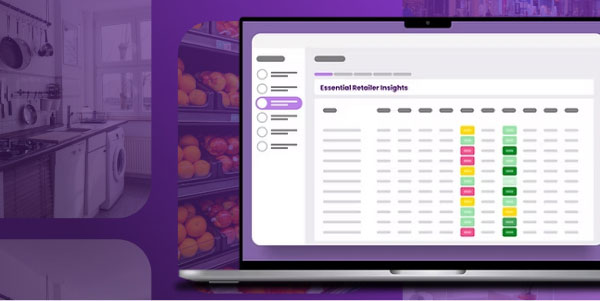




Circana's Demand Signals report provides a comprehensive picture of how shifting consumer behavior impacts the U.S. consumer packaged goods sector. Gain timely, data-backed insights that help support critical business decisions.
Key highlights from this period's report:
Consumer confidence drops on rising energy costs, while higher interest rates may add pressure ahead. Consumer confidence declined again in early September, its second consecutive monthly drop. Although August CPI held steady at 3.4%, gas prices have risen sharply in September and are back near the peaks reached in May. With energy costs elevated, consumers remain cautious, as seen in softer convenience store sales and travel demand, particularly air travel. In an effort to curb inflation, the Federal Reserve raised interest rates a quarter point to 3.75%-4.0% on Sept.16, its first increase since 2023. This is likely to raise borrowing costs for households over time.
CPG volume/units remain stable but constrained. Volume declined 0.4% in the latest four weeks, still soft but modestly improved from prior-period trends. Produce continued to be the largest drag on Retail F&B performance. Despite a gradual recovery, leafy greens were down 22% in the latest four weeks, as many consumers have yet to fully resume normal purchasing behavior following the Cyclospora outbreak in early July. Excluding produce, Retail F&B volume was flatter at 0.1% in the latest four weeks, highlighting continued shopping discipline.
Non-Food CPG unit sales declined 1.1% in the latest four weeks but improved from prior-period trends. Despite continued unit softness, dollar sales remain up 2.9%, reflecting consumers' willingness to spend more on fewer purchases and trade up for better value, quality, or enjoyment.
Inflation pressures ease while premium preferences persist. Retail F&B price growth eased to 1.8%, with inflation moderating across both perishables and center store. While some segments, such as candy, continue to post higher price growth, inflation rates have either slowed or held steady across nearly all Retail F&B segments. Premium mix effect holds as shoppers prioritize quality and health.
Non-Food CPG price/mix growth was 4.0% in the latest four weeks, with the underlying inflation component continuing to ease despite some period-to-period volatility driven by product mix shifts. Premium brands continue to win as consumers seek elevated everyday experiences, pressuring value and private label share.