


















The first important factor is the consumer’s approach to value. Inflationary pressures have kept shoppers highly price-sensitive, making promotional strategies more critical than ever. They are prioritizing perceived value over brand loyalty, actively seeking affordable alternatives that deliver quality without compromise. This shift is evident in the rise of “dupes,” particularly in beauty and fashion, where consumers embrace lower-cost versions of prestige products. For luxury brands, maintaining differentiation and protecting equity will require innovation and storytelling that justify their premium positioning. Brands that can communicate authenticity and deliver tangible benefits will stand out in a crowded market.
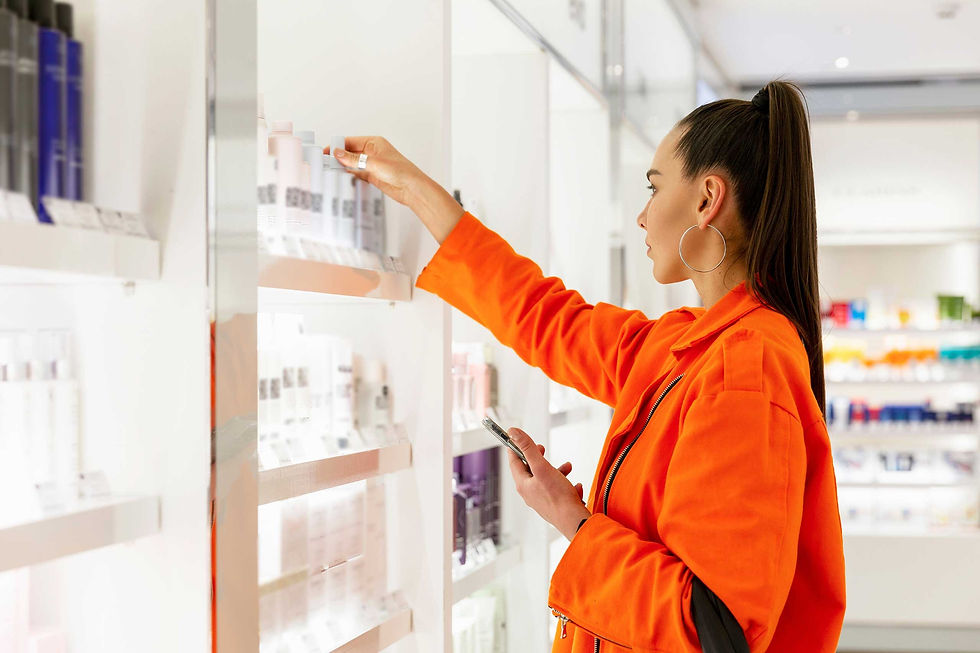
Retail continues to transform as e-commerce strengthens its hold, with the seamless integration of online and offline experiences shaping the path to purchase. Physical stores remain relevant, thriving as hubs for experiential shopping and immediate fulfillment. At the same time, social commerce is rewriting the rules of discovery. Platforms like TikTok dominate impulse buying and trend adoption, making them essential for brand visibility and engagement. The ability to connect with consumers in real time and leverage influencer-driven content will be a defining advantage for brands in 2026. Adding to this evolution is the rise of AI-powered personalization and agentic commerce, where intelligent systems act on behalf of consumers to curate, recommend, and even complete purchases autonomously. These technologies will accelerate convenience and reshape loyalty, creating a future where shopping becomes more predictive, frictionless, and deeply tailored to individual preferences.
Holistic wellness is another force influencing beauty choices, with demand for mental health support, self-care rituals, and clean ingredients across categories. Generational priorities add nuance: Gen Z champions mental well-being and sustainability; Millennials lean into convenience and functional benefits; and Boomers focus on health-driven purchases backed by proven efficacy. Adding complexity is the growing influence of GLP-1 medications. Appetite-suppressing treatments are reshaping food and beverage consumption, with potential ripple effects on snack and indulgence categories — an area beauty brands should watch closely for cross-category disruption. These shifts highlight the interconnected nature of wellness and beauty, creating opportunities for innovation that align with evolving lifestyles.
Across these dynamics, one truth remains: beauty’s role in helping consumers feel good is as important as ever. Brands that embrace value, wellness, and innovation will thrive in 2026 by responding to shifting behaviors, leveraging technology, and building trust through transparency. Those that deliver meaningful, authentic experiences and a clear sense of purpose will stand apart, ensuring beauty remains a source of confidence and connection in the year ahead.