




















The holiday season may only last a few weeks, but the stakes are high in retail at this peak time of year. When a holiday staple goes missing from the shelf, the cost is more than one lost sale. It can be a lost trip, a lost basket, and a frustrated shopper who switches to a competitor's brand or store and doesn't come back.
The time to bounce back from holiday-period out-of-stock (OOS) issues is short, so speed matters. Next-day alerting at the store/item/day level can deliver between a 5% and 8% sales recovery, based on Circana’s experience with existing store-alerting programs. At a time when it’s all about making spirits bright, taking steps to keep customers happy, in your store, and buying your brands is crucial.
What Changes with On-Shelf Availability During Peak Season
Holiday shopping is about traffic, and those traffic patterns often vary. While consumers crowd physical stores and flock to e-commerce and social commerce platforms, there is a certain volatility associated with the season, with supply chain ramifications.
For example, social media can push individual products into sudden, unplanned spikes. A viral trend can clear out a shelf that was stocked correctly the day before.
In these and other situations related to high demand, replenishment needs to flex fast. Supply chains plan for peak season months in advance because they can’t always pivot quickly once it begins. When an unexpected spike lands during the most important trading period, replenishment cadence falls behind demand, and recovering from that lag in the middle of prime season is difficult.
Suppliers can’t rely on a back-room buffer for quick replenishment in these pivotal weeks. Given the volume that moves through U.S. stores between Thanksgiving and New Year’s Day, most retailers simply can’t stockpile extra gravy or cranberry sauce in the back room due to limited space.
How Next-Day Alerting Catches It Inside the Selling Window
Given demand and volatility, peak-season problems need to be found as soon as possible. Circana's alerting programs, built on store-level inventory with point-of-sale (POS) data, identify likely out-of-stocks at the store/item/day level and deliver targeted information the next day, so teams can act swiftly while the selling window is still open.
Data in the alerting system not only reveals that sales have slowed, but whether inventory supports the conclusion that the shelf is empty. After all, an empty shelf on one day does not always mean an OOS: A shopper may have bought 20 units at once and wiped out the shelf, with a replenishment delivery already placed and arriving tomorrow. Effective alerting requires pattern confirmation and the right automated data analysis to separate a true availability problem from a one-day fluke.
Alerting programs can perform differently depending on item type:
Year-round items with seasonal lifts, such as stuffing, which have a full sales history to measure against
Recurring seasonal items, like candy canes, which arrive each fall and sell through December, with last year's performance as a reference point
New or one-time seasonal items, which have no history and call for closer monitoring
Each type has a different baseline. Understanding which one you are dealing with determines how quickly and reliably a gap can be confirmed.
Now What? How to Use Circana’s Alert Value Scorecard
An alert only creates value when someone acts on it. During the holidays, teams face more potential issues than they can address at once, so prioritization is essential.
Manufacturers and retailers typically focus first on issues that cost the most. Other approaches exist, but lost sales translate directly into revenue walking out the door.
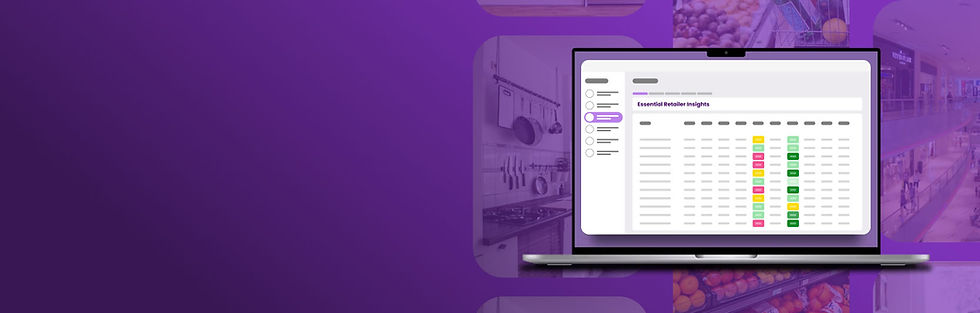
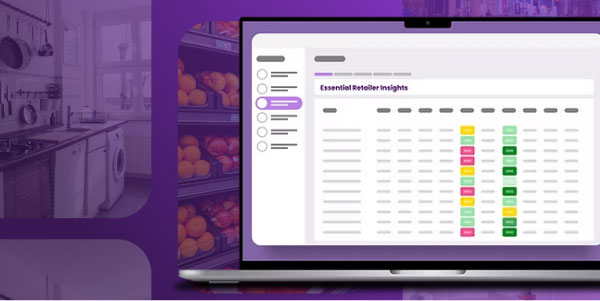
Circana’s Alert Value Scorecard puts this principle into practice:
Ranks alerts by lost sales impact, so the highest-value gaps get fixed first
Directs store teams to the actions that matter most, rather than spreading effort evenly across every alert
Measures the value of actions taken, showing how much sales recovery each resolved alert delivered
Circana’s Scorecard also enhances collaboration between retailers and suppliers, especially during busy times. Once a product leaves a manufacturer's truck, the manufacturer generally has little visibility into shelf conditions beyond anecdotal store visits. Retailers, meanwhile, track supplier performance against on-time and in-full expectations. Retailers, meanwhile, are challenged for enough labor hours to resolve shelf issues across 40,000+ items every day. A shared, quantified view of alert value gives both sides the same facts and a common basis for fixing the problem.
How Do You Plan and Execute During Other Peaks?
The six-week stretch from Thanksgiving through Christmas and New Year’s Day is the most visible test of shelf execution, but it isn’t the only one. Nearly every month brings a demand spike in some category:
Valentine's Day, with sharp lifts in confectionery, gifting, and related categories
Super Bowl, with peaks in snacks, beverages, and entertaining items
Fourth of July, with grilling, picnic, and beverage peaks
Back-to-school, with lifts in supplies, lunch items, and household staples
Retailer promotional events, which create demand surges because the whole industry rallies around them
These mini-holidays and promotional periods put similar pressure on the shelf: concentrated demand, limited space, and a short window to recover. The data and established processes that protect holiday sales are valuable throughout the year, and teams that consistently use alerting face each demand moment with established processes, trusted signals, and a clear record of what works.
Visit Circana’s On-Shelf Availability solution page to see how AI-powered alerts give teams visibility into every item and every store.

FAQs
Why is on-shelf availability harder to maintain during the holidays?The peak holiday season combines volatile demand, social media-driven spikes, replenishment lags, and almost no back-room space. Supply chains plan months ahead for high-demand seasonal items, but they cannot easily adjust once the season starts. Small delivery issues can quickly become empty shelves.
How quickly can alerting identify a holiday out-of-stock issue?Circana's alerting delivers store/item/day alerts the next day. Within a typical six-week seasonal selling window, that speed gives teams time to confirm patterns and correct gaps before the season ends.
What makes inventory-verified alerts more reliable than POS-only detection?POS-only methods infer gaps by comparing expected and actual sales. Inventory-verified alerts confirm the signal against store-level inventory data, with POS providing rate of sale. That verification makes alerts reliable enough to send store teams to act on.
How should teams prioritize on-shelf availability alerts?Start with lost sales. The Alert Value Scorecard ranks alerts by revenue impact and measures the sales recovered by each action, so teams can focus their efforts where they deliver the most value.
Does on-shelf availability matter outside the holiday season?Yes. Valentine's Day, the Super Bowl, the Fourth of July, back-to-school, and retailer promotional events all create demand spikes. Consistent alerting year-round prepares teams for every peak.