






















It’s not just older consumers in the Boomer and Gen X age demographics who are driving renewed interest in products that were popular back in the day. Millennial parents are purchasing retro items for their children, and even Gen Z consumers born after 1996 are buying into nostalgia (literally) with items from their own youth. Younger shoppers are also interested in vintage pieces from someone else’s past, Circana finds.
Here are some ways that throwbacks are pulling certain segments forward:
Fashion Oldies But Goodies
Boomerang trends aren’t new in fashion – miniskirts have come and gone a few times, as have skinny ties. In 2026, Circana’s insights show that some clothing fads are here again with a twist.
A few cases in point: women’s low-rise denim was the fastest-growing denim type from January through May 2026, reflecting the continued Y2K revival. Also harkening back to other eras, wider silhouettes continue to lead, bootcut jeans are seeing a resurgence, and premium denim is hot again, echoing the early 2000s designer boom. And remember capris? Although capri jeans remain a relatively small part of the women’s denim market, that silhouette has shown renewed momentum, with dollar sales increasing by 7% in the latest 12 months ending in May 2026.
In accessories, small shoulder bags have made a return, similarly sparked by the Y2K revival. Those bags were up 24% in dollar sales for the 12-month period ending in May 2026. More turn-of-the-century sentiment is showing up in footwear, with several Y2K-era performance running styles re-released as lifestyle items; those items drove 9% year-to-date growth in running-inspired footwear as of May 2026. Lower-profile looks in footwear are likewise in demand again and selling strongly, Circana research indicates.
Lip Service
As with fashion, past beauty favorites are showing up in shoppers’ baskets. For example, Circana’s Complete Beauty data shows that dollar sales of lip liners – which first became popular in the 1920s and had another heyday in the 1980s – are up 34% for the 12 months ending in May 2026
A New Chapter for Beloved Books
Circana’s BookScan® data reveals that readers are gravitating toward titles that meant something in their past. The “Twilight 20th Anniversary Edition” is a recent bestseller. Classic books for young children, including “Goodnight Moon” and “The Very Hungry Caterpillar”, remain bestsellers year after year, suggesting that parents are sharing their affinity for those books with their own children.
Child’s Play Gets Older
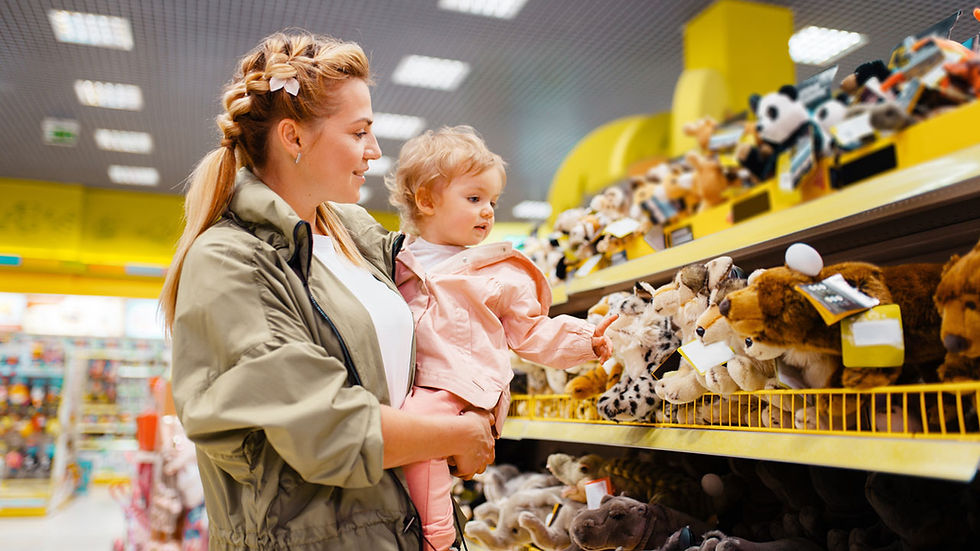
Toys aren’t just for tots. Circana’s 2026 Global Toy Report found that while children under the age of five comprise the largest group of toy users, they have had the lowest combined annual growth rate (CAGR) increase over the last five years. Young people aged 15 and older have lifted sales by 111% since 2020 and overtaken the 10–14 age group. Globally, North America’s 15+ toy consumer market is twice the size of Europe’s and four times the size of Asia’s.
Other insights underscore the power of playing cards across generations. Circana data shows that nearly 30% of consumers bought trading cards in the last year, and although nearly half purchased them for resale value, 44% said nostalgia was a motivator.
History Repeating Itself in Food and Beverage
CPGs are tapping into yearnings for yesteryear with food and beverage products. Several national brands and retailers have successfully reintroduced nostalgic products that appeal to older consumers who remember them firsthand and younger consumers who are discovering them for the first time. Nods to the past include salty snacks and sodas sold in the original (or close to the original) package design. To connect with their audiences on an emotional level, some brands are reviving slogans and campaigns from decades ago.
Nostalgia is on the menu in the foodservice industry, too. Circana recently analyzed 15 nostalgia-based promotions from restaurants and found that retro resonates. The data shows that such promotions are more likely to be successful and provide a notably larger lift on total chain transactions than value meal deals, both in the short term and the long term.
As for the future, today’s top-selling products are bound to engender a future sense of nostalgia among a big group with buying power. The youngest Gen Alpha cohort is the largest global generation ever, with an expected global economic footprint of $5.4 trillion by 2029, Circana’s generational research projects.