


















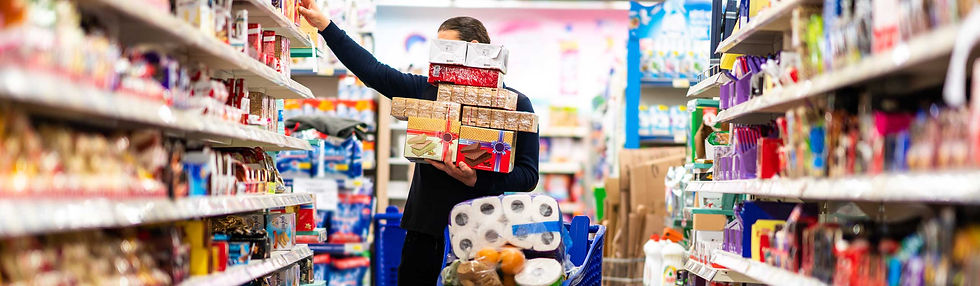

November is usually all about Thanksgiving staples like turkey, stuffing, and cranberries. This year, something else is showing up in the cart: growing interest for what can be called “peace-of-mind purchases (PMP).” These include shelf-stable and practical items that help households feel prepared.
The latest Circana point-of-sale (POS) data confirms that some consumers are engaging in just-in-case behaviors. Even as total food and beverage and total non-food CPG volumes were roughly flat to slightly down versus a year ago, a select group of PMP categories accelerated sharply.

What Preparedness Products Are Moving?
In food and beverage, peace-of-mind standouts for the week ending Nov. 15 were bottled water, shelf-stable meat, and shelf-stable seafood, each up 14% in volume versus a year ago. Rice and dry beans and vegetables were up 8%. In the prior week, ending Nov. 8, the numbers were even stronger: shelf-stable meat jumped 30%, and bottled water, rice, seafood, and dry beans and vegetables were all up 21%.
Non-food categories also include tell a story about PMPs. Flashlight volume was up 48% in the latest week, following a 60% surge the week before. First aid supplies grew 23%. Matches climbed 27%, a notable turnaround for a category that had been down 24% over the previous 13 weeks. Water filters and batteries were up 10% and 7%, respectively, and lighters also edged higher.

A Signal, Not a Stampede
While PMPs are on the rise, some perspective is warranted. Sales in these categories remain elevated in the latest week, but growth slowed from the prior week. Google search interest in terms like "emergency food," "emergency supplies," has also stayed moderate. Interest in "emergency food" has been highest in certain states, including Wyoming, Utah, North Dakota, and Idaho. In the most recent week, it became even more concentrated in Wyoming.
These insights underscore the notion that recent PMPs are a measured, practical response from consumers who want a little more security on the shelf at home. These are people who are being thoughtful, not frantic.
The Holiday Factor
There's another dynamic worth watching. As we move through Thanksgiving week and into December, holiday shopping is likely to compete for attention and wallet share. Search interest may fade as shoppers shift their focus to gifting, entertaining, and travel. That said, it doesn't mean the desire for preparedness disappears; consumers may simply fold these items into their holiday trips, or even into gift baskets and stocking stuffers. A good flashlight and a first aid kit aren't a bad idea for the people you love.
What Does This Mean for Retailers and Manufacturers?
Given the dynamics over the past couple of weeks, retailers and manufacturers can keep some things in mind:
Availability is everything. In-stock rates are one of the first places pressure shows up. In the two weeks ending Nov. 8, average in-stock rates across all categories were 95.3% and 91.4%, with the lower figure down 0.6 percentage points versus the prior 13 weeks. When demand accelerates in a handful of categories, even small supply gaps can turn into lost sales and lost trust.
Think in baskets, not categories. Shoppers aren't buying water in isolation. They're pairing water with filters, batteries with flashlights, and beans with rice. Cross-merchandising these items, especially in bulk or multipack formats, makes it easier for shoppers to find what they need and helps increase the basket.
Watch the regional pockets. Where interest is concentrated, the lift will likely be too. Local demand planning matters more than ever.
Stay flexible. Demand is moving week to week. Brands and retailers that can adjust replenishment, promotions, and inventory quickly will be best positioned to serve shoppers well.
The Bottom Line
Consumers have been navigating uncertainty for years, and they've gotten very good at managing what they can control. Right now, that means stocking the pantry and the junk drawer with essentials that bring comfort and confidence.
Peace of mind has become a purchase driver of its own. Whether this demand continues or fades with the holiday rush, the lesson is the same: understand what's behind shopper behavior, stay close to the data, and make sure the products people need are on the shelf when they need them.
Sally Lyons Wyatt is Global EVP & Chief Advisor Consumer Goods & Foodservice Insights, at Circana.
Source: Circana POS data, MULO+ with Conv, through 11/15/26; Google Trends through 11/21/26