


















Updated: Apr 2, 2025
As our lives become more intertwined with technology, the concept of a true “smart home” has become increasingly tangible. Cutting-edge innovations that redefine how we experience home technology were showcased at this year’s Berlin-based tech trade show IFA, a counterpart to CES in the United States. While both shows highlight the latest wonders in tech, the products highlighted at IFA are based on the reality of what consumers are likely to want or need, rather than the proof-of-tech-prowess that CES is known for.
Sustainability emerged as a prominent theme this year. With sustainable products ranging from whole-house solutions down to the smallest of accessories, companies are aiming to meet consumers’ needs and reach their business goals of carbon neutrality. Consumers are becoming increasingly interested in sustainability and want to be informed about how products are created and their lifespan. Many manufacturers are now paying attention to this trend, placing a greater emphasis on recycled materials and products that consumers can repair rather than discard (or send back to the manufacturer for repair).
The use of recycled material (such as Urbanista’s Malibu speaker) was a highlight of the show. Fairphone, a Dutch-based smartphone provider, takes this concept to the next level with “ethically-sourced” materials that they combine with an easy upgrade option to allow consumers to swap out components with the use of a standard screwdriver. We expect this category of sustainably-built (and maintained) products to grow in importance over the next few years as a way to address consumer concerns. Such an approach could provide unique differentiation for smaller vendors looking to break into established markets.
Yet, the bigger story comes with an ecosystem play, focused on reducing energy consumption in the home. Energy prices have increased considerably in the past few years, adding a substantial squeeze on many consumers’ budgets (especially in Europe). The result has been an acceleration of already prescient movement to pull away from fossil fuels towards renewable energy sources such as wind and solar. While no one at the show was advocating for consumer-owned wind-turbines, solar solutions were abundant, especially when combined with battery back-up solutions. This is even important in places like Berlin, where they only get to enjoy sunshine 17% of the year.
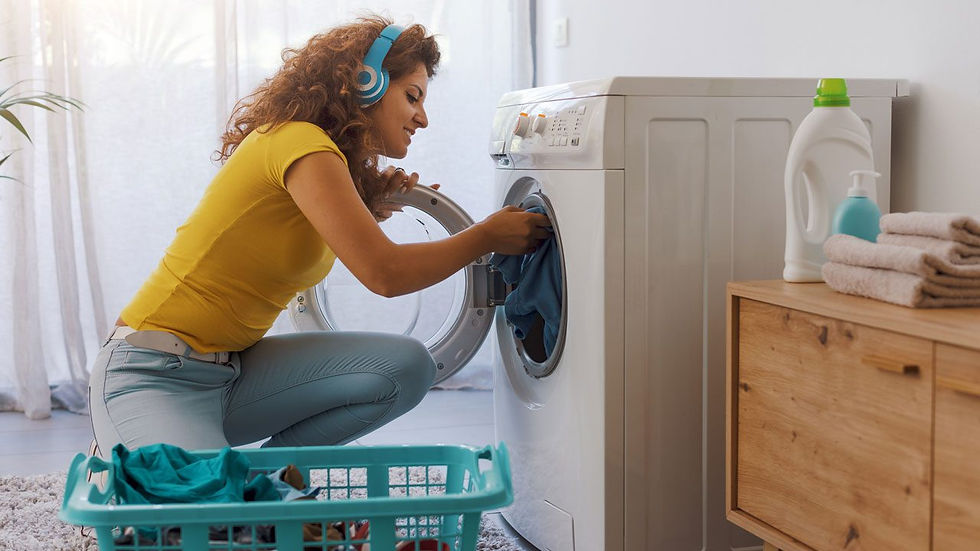
The energy management solution is about far more than simply throwing some solar panels on the roof, and a barrage of batteries to store the power. Rather, it is about how the tech devices in the home are used, and how energy efficient they are. This provides an opportunity for “smart home” providers to move beyond their current, somewhat modest, solutions into a comprehensive ecosystem. Take, for example, the smart washing machine. Many consumers today like the concept of this device simply because it sends them a smartphone alert when the wash is complete (which is hardly ground-breaking technology). However, if the washing machine is tied into a true smart home, the device can run at the optimum time to use the least amount of (or cheapest) power. Sunny outside? It will run now to leverage the solar panels. Three weeks of grayness in December? Perhaps it will run at 2 a.m. when there is less demand on the grid, and therefore cheaper power.
This sets the stage for more comprehensive smart home solutions that leap beyond today’s somewhat clever individual devices (smart lights, thermostats, and so on). A true smart home solution needs to be inclusive of all devices – and particularly the larger appliances – with the goal of creating a clear value proposition for the consumer. And nothing is a clearer than the goal of saving money in the long term.
Get insights straight to your inbox