Industries



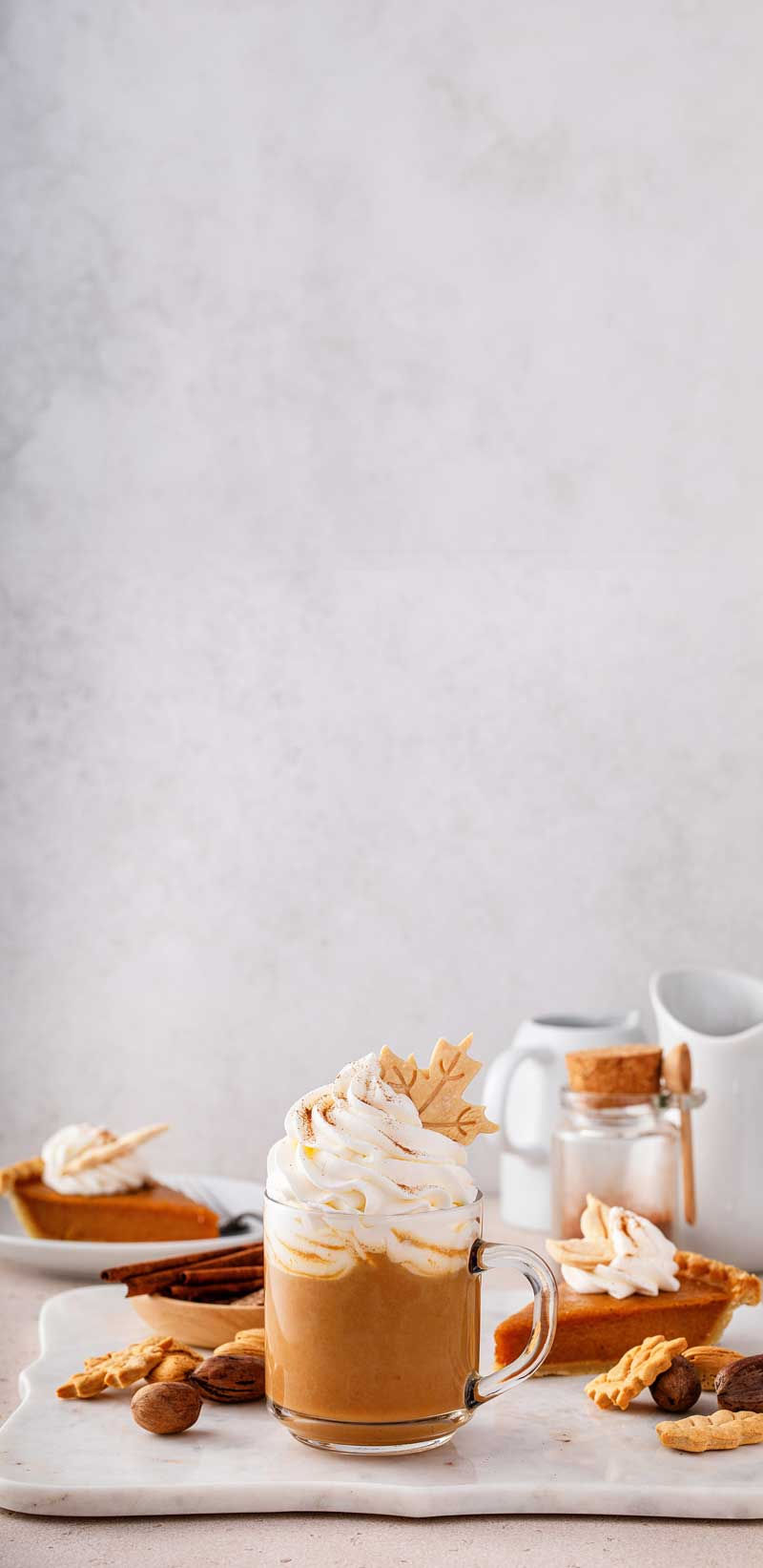
25-34-year-olds are
21%
more likely to drink pumpkin coffees than the average consumer
Quick Insight
It's that time of year again... pumpkin spice is back. 🎃☕
According to Circana, 25–34-year-olds are the most likely to enjoy pumpkin-flavored coffee, proving the season's signature sip is going strong.
Are you team “too early” or “right on time”?
Company

Solutions

Track business performance against key competitors at every stage of the product lifecycle.
SOLUTIONS
We help our clients accelerate demand by focusing on the best opportunities for the greatest impact on their business.
SOLUTIONS
Our Liquid Data® technology provides cross-industry data and advanced analytics in a single, open platform.
SOLUTIONS

Resources









Suggested solutions



TERM
Items per Store
Average number of SKUs carried per store.
Definition
Items per store equals total unique UPCs divided by number of stores.
How to Calculate
Count unique items across stores and divide by store count.
Why it Matters
Shows assortment depth and complexity.
Key Advantages
Helps right-size the lineup.
Example
600 items across 100 stores equals 6 per store.
Use it to
Calculate average number of items carried per store to read distribution of assortment. Identify stores with incomplete coverage and target fixes to improve availability.